

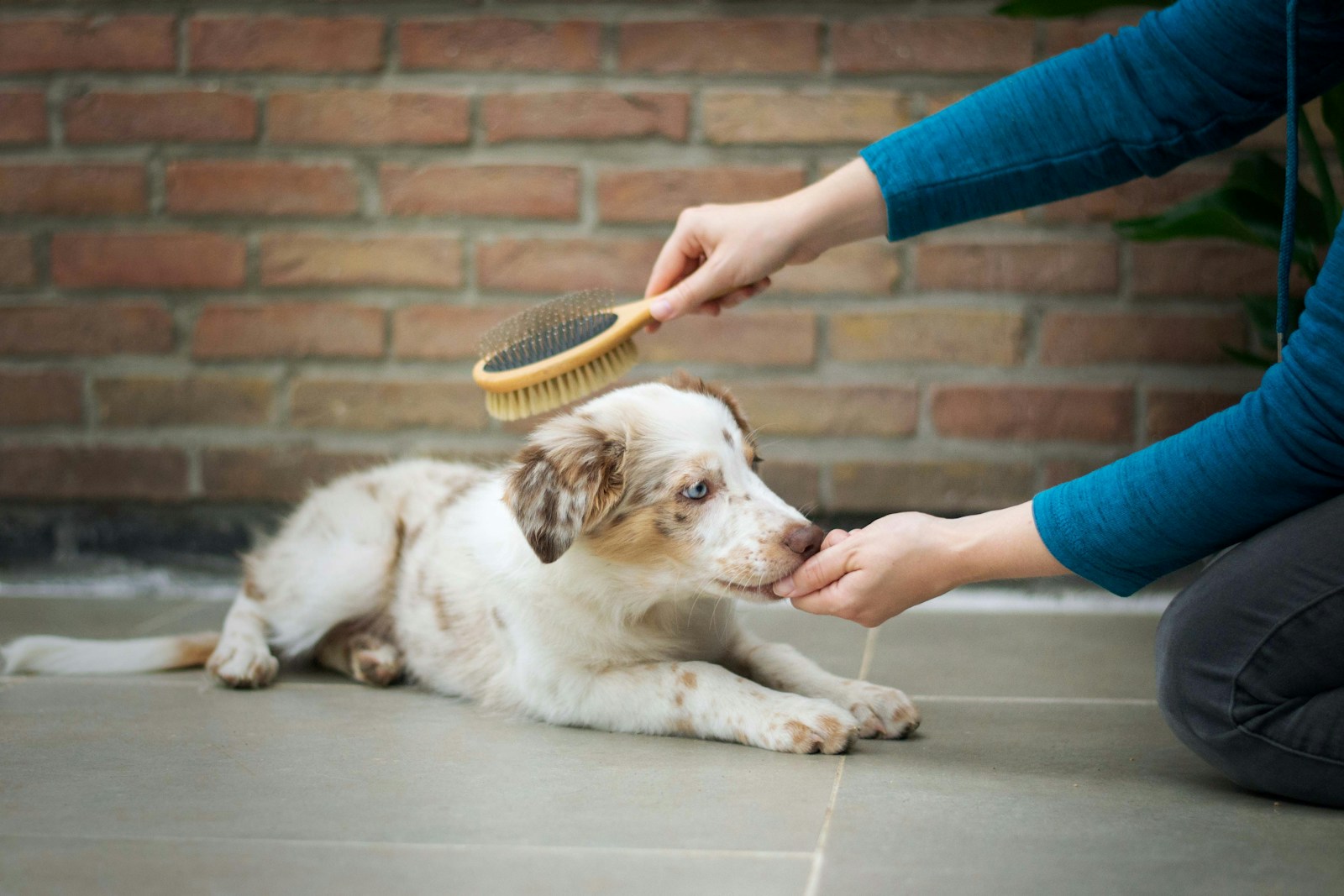
Welcoming a new puppy into your home is an exciting and heartwarming experience. However, before you dive into the world of training, it’s essential to establish a strong bond with your furry companion. Building a deep connection with your puppy lays the foundation for a trusting and rewarding relationship, making the training process smoother and more effective.
Bonding with your puppy is not just about showering them with affection; it’s about creating a mutual understanding and developing a rapport that will last a lifetime. Spend quality time with your puppy, engaging in playtime, cuddling, and simply being present. This dedicated attention will help your puppy feel secure and loved, fostering a sense of trust that is crucial for successful training.
Remember, puppies are like sponges, absorbing everything around them. By bonding with your puppy, you become their trusted guide, making it easier for them to follow your lead and respond positively to your commands. This strong connection also helps you better understand your puppy’s unique personality, temperament, and learning style, allowing you to tailor your training approach to their specific needs.
So, take the time to bond with your new furry friend. Enjoy the precious moments of cuddles, belly rubs, and playtime. This investment in your relationship will pay dividends in the form of a well-behaved, confident, and loyal companion for years to come.
Socialization
The Importance of Early Socialization
Socialization is a critical aspect of puppy training that often gets overlooked. It involves exposing your puppy to a wide range of new experiences, environments, and other animals and people. By socializing your puppy from an early age, you’re helping them develop confidence, reduce fear and anxiety, and become well-adjusted companions.
When to Start Socializing
The ideal time to begin socializing your puppy is between 3 and 16 weeks of age. This is known as the “socialization window,” a crucial period when puppies are most receptive to new experiences and impressions. During this time, their brains are like sponges, absorbing everything around them and forming lasting associations.
Creating Positive Experiences
The key to successful socialization is to create positive experiences for your puppy. Introduce them to new sights, sounds, and smells in a controlled and safe environment. Start with low-stress situations and gradually increase the level of stimulation as your puppy becomes more comfortable. Remember to always remain calm and patient, as your puppy will pick up on your energy and emotions.
Socializing with Other Dogs
In addition to exposing your puppy to various environments, it’s equally important to socialize them with other dogs. Puppy playdates or puppy classes are excellent opportunities for your furry friend to learn appropriate social skills and body language. However, ensure that all dogs involved are up-to-date on their vaccinations and that interactions are closely supervised to prevent any negative experiences.

Establishing Your Puppy’s Personality
The first few months of your puppy’s life are a critical period for shaping their personality. During this time, they are highly impressionable and receptive to new experiences. By exposing them to various situations and environments, you can help mold their character and ensure they develop into a well-adjusted, confident adult dog.
One of the most effective ways to establish your puppy’s personality is through socialization. Introduce your furry friend to different people, animals, sights, and sounds in a positive and controlled manner. This exposure will help them become comfortable and adaptable in various settings, reducing the likelihood of developing fear or anxiety-related behaviors.
Here are some tips to help shape your puppy’s personality:
-
Expose them to different environments: Take your puppy on short trips to the park, pet-friendly stores, or even just around the neighborhood. This will help them get accustomed to new sights, sounds, and smells.
-
Introduce them to different types of people: Encourage interactions with people of different ages, genders, and appearances. This will teach your puppy that diversity is normal and nothing to be afraid of.
-
Provide positive reinforcement: When your puppy exhibits desirable behaviors, reward them with treats, praise, or playtime. This positive reinforcement will encourage them to repeat those behaviors, shaping their personality in a favorable way.
-
Be patient and consistent: Puppies learn at their own pace, so be patient and consistent in your approach. Establishing a routine and setting clear boundaries will help your puppy feel secure and confident.
Remember, every puppy is unique, and their personality will continue to evolve as they grow. By providing a nurturing and enriching environment during these formative months, you can help shape a well-rounded, adaptable, and happy canine companion.
Potty Training
One of the most crucial aspects of puppy training is potty training. It can be a challenging but rewarding process that requires patience, consistency, and positive reinforcement. Here are some essential tips to help you navigate this important milestone:
- Establish a Routine: Puppies thrive on structure and routine. Create a consistent schedule for potty breaks, including first thing in the morning, after meals, after playtime, and before bedtime. This will help your puppy understand when and where they should go potty.
- Supervision and Crate Training: Supervise your puppy closely and limit their access to areas of your home until they are fully potty trained. Crate training can be an effective tool when used properly. Puppies generally avoid soiling their sleeping area, making the crate a valuable aid in potty training.
- Positive Reinforcement: Reward your puppy with treats, praise, and affection whenever they go potty in the designated area. This positive reinforcement will help them associate the desired behavior with something pleasant, making it more likely for them to repeat it.
- Be Patient and Consistent: Accidents are inevitable during the potty training process. When they occur, remain calm and avoid punishment, as it can create fear and confusion. Instead, clean up the mess without fuss and continue with your routine. Consistency is key; stick to your potty training plan, and your puppy will eventually catch on.
Potty training can be a time-consuming and sometimes frustrating process, but with patience, dedication, and the right approach, your puppy will soon learn to go potty in the appropriate places. Remember, every puppy is unique, and some may progress faster than others. Seek guidance from reputable sources or consult with a professional trainer if you encounter challenges along the way.
Making Training Fun
As you embark on the journey of puppy training, it’s essential to remember that learning should be an enjoyable experience for both you and your furry companion. Training sessions filled with positivity, patience, and a dash of creativity can turn even the most challenging tasks into delightful bonding moments.
One of the keys to making training fun is to keep sessions short and engaging. Puppies have notoriously short attention spans, so breaking up training into bite-sized chunks can prevent boredom and frustration. Mix things up by incorporating a variety of treats, toys, and praise to keep your pup motivated and eager to learn.
Don’t be afraid to get creative and tap into your puppy’s natural playfulness. Turn training into a game by incorporating elements of hide-and-seek, obstacle courses, or even simple tricks like “roll over” or “high five.” Not only will this make training more enjoyable, but it will also stimulate your puppy’s mind and strengthen your bond.
Remember, positive reinforcement is the cornerstone of effective training. Celebrate every small success with enthusiastic praise, treats, or a favorite toy. This will reinforce good behavior and encourage your puppy to continue learning with enthusiasm.
Lastly, don’t forget to have fun yourself! Your puppy will feed off your energy and enthusiasm, so approach each training session with a positive and playful attitude. Laugh off any mistakes, and remember that every step, no matter how small, is progress towards a well-behaved and confident companion.
Conclusion
Welcoming a new puppy into your life is a thrilling adventure, but it also comes with its fair share of challenges. By focusing on bonding, socialization, understanding your puppy’s personality, effective potty training, and making the learning process fun, you can lay a solid foundation for a lifetime of happiness and companionship.
Remember, patience, consistency, and positive reinforcement are the keys to successful puppy training. Celebrate every milestone, no matter how small, and embrace the journey with an open heart and a playful spirit.
With dedication, love, and a commitment to understanding your puppy’s unique needs, you’ll be well on your way to raising a well-rounded, confident, and loyal furry friend. Embrace the joys and challenges of puppy parenthood, and cherish every moment of this incredible journey.
FAQ
Q: Why is bonding with my puppy so important?
Bonding with your puppy is crucial because it establishes a strong foundation of trust, understanding, and communication. When you create a deep connection with your furry friend, they are more likely to respond positively to your training efforts and follow your guidance. A strong bond also helps you better understand your puppy’s unique personality and learning style, allowing you to tailor your approach for optimal results.
Q: How can I effectively socialize my puppy?
Proper socialization is essential for raising a well-rounded, confident puppy. Gradually expose your puppy to new sights, sounds, people, and environments in a positive and controlled manner. Attend puppy socialization classes, invite friends and family over, and take your pup on outings to different locations. Positive experiences during this critical socialization period will help your puppy develop into a well-adjusted, friendly adult dog.
Q: How can I understand my puppy’s personality?
Understanding your puppy’s personality is key to effective training. Observe their behavior, energy levels, and reactions to different situations. Are they bold or shy? Easily distracted or focused? Motivated by treats or praise? Paying attention to these nuances will help you tailor your training approach and communicate with your puppy more effectively.
Q: What are some tips for successful potty training?
Consistency and patience are essential for potty training success. Establish a regular schedule for taking your puppy out to potty, and reward them with treats and praise when they go in the right spot. Supervise your puppy closely and learn to recognize their potty signals. Be prepared to take them out frequently, especially after naps, playtime, and meals. Accidents will happen, but stay calm and keep up the routine.
Q: How can I make training more enjoyable for my puppy?
Training should be a fun and rewarding experience for both you and your puppy. Incorporate plenty of positive reinforcement, such as treats, praise, and playtime. Keep training sessions short and engaging, with frequent breaks to prevent boredom or frustration. Use a variety of training techniques, like games, toys, and clickers, to keep your puppy motivated and interested. Most importantly, celebrate your puppy’s successes, no matter how small, and enjoy the bonding experience together.